Seabed anoxia keeps organic material that a land site would have lost.
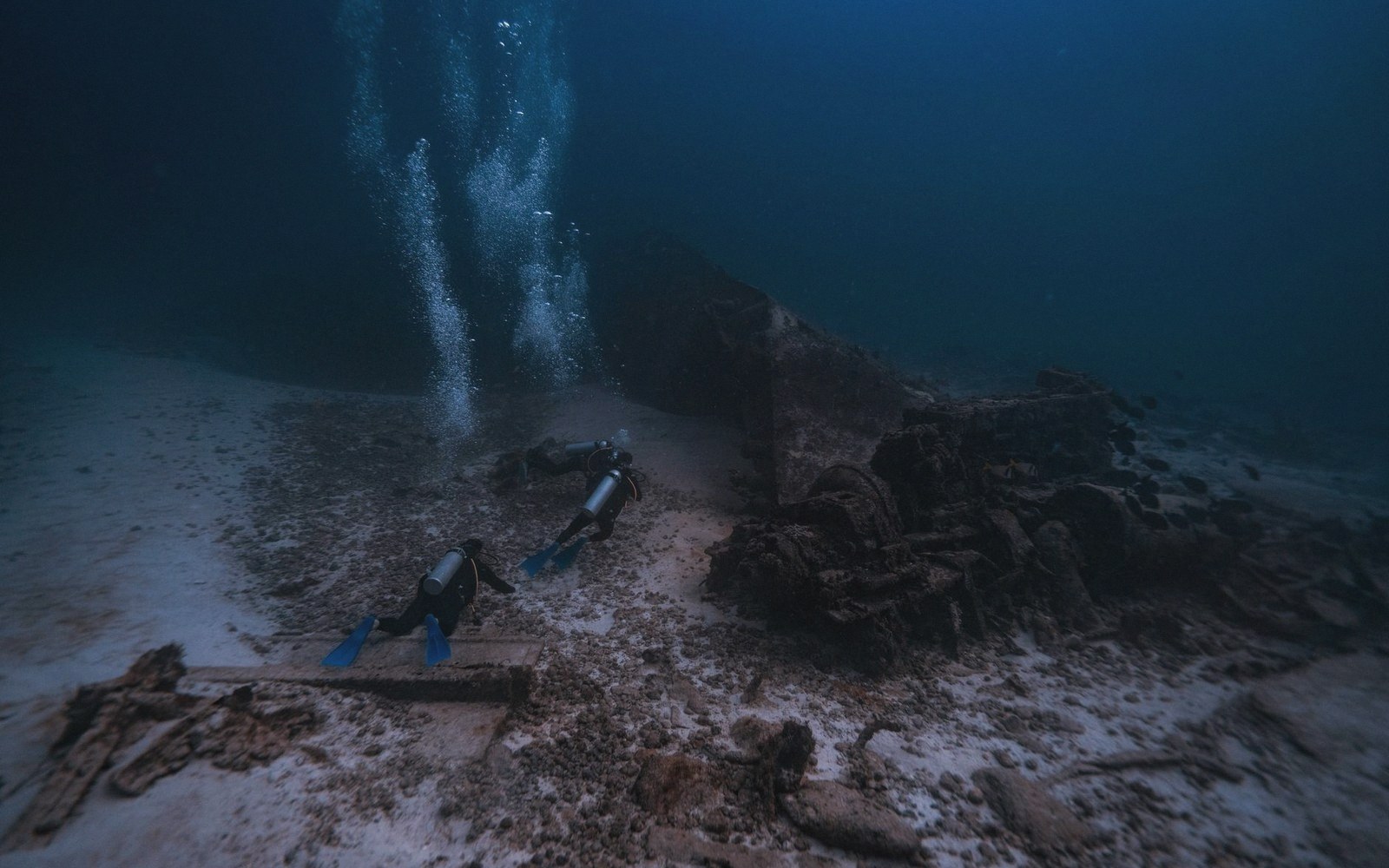 PLATE 1
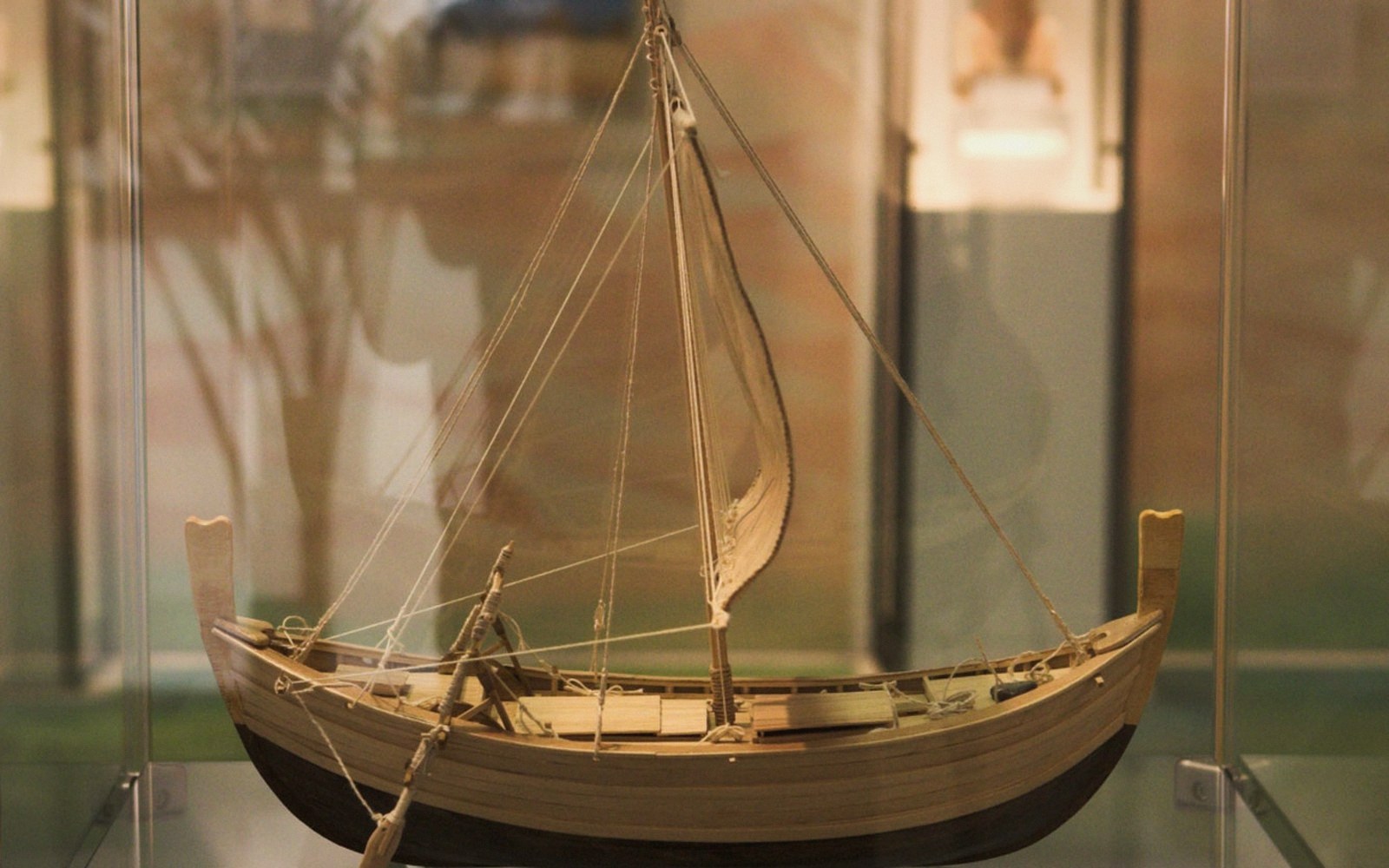 PLATE 2
The seabed as archive
A land site burns, floods, gets reused. Organic material — rope, leather, basketry, grain, timber — vanishes within decades unless the conditions are extraordinary. A wreck that sinks into cold, low-oxygen water seals its cargo before the usual sequence of rot and scavenging can run its course.
The Uluburun wreck, excavated by the Institute of Nautical Archaeology off Kaş on the Turkish coast from 1984 onward, is the clearest demonstration. The ship went down around 1300 BCE in roughly 44–61 metres of water. What the excavators recovered included not just copper and tin ingots, glass ingots and ivory — durable materials that survive most burial conditions — but also organic cargo that no tell could have held: pomegranates, figs, olives, grapes, coriander and black cumin, still identifiable in the seabed sediment. Firewood species were identified from charcoal on the hull. A log of firewood preserved its bark.
The mechanism is anoxia. Below a certain depth in stratified water, dissolved oxygen drops low enough that the aerobic bacteria responsible for decomposition cannot function. Sediment accumulates over the hull, accelerating the seal. Timber in these conditions survives waterlogged rather than degrading, and the ambient cold slows every chemical process. The result is preservation that a dry desert cave occasionally matches but a Mediterranean tell almost never does.
This matters for the material record in a specific way: wrecks preserve the mix. A palace archive yields tablets and prestige objects; a wreck yields what was actually being moved — bulk grain, cheap pottery, resin in jars, scrap metal, food for the crew. The Uluburun assemblage contained raw materials from at least seven distinct cultural regions, documented simultaneously in one sealed context. That simultaneity is something no land excavation can fully replicate, because a tell is the product of centuries of selective discard, not a single moment.
Sea cargo thus fills a gap that land archaeology structurally cannot close: not what people kept, but what they shipped.
 PLATE 3
Related entries