A single wreck off the Turkish coast, sunk around 1300 BC, whose cargo reads like an inventory of the entire Late Bronze Age exchange network.
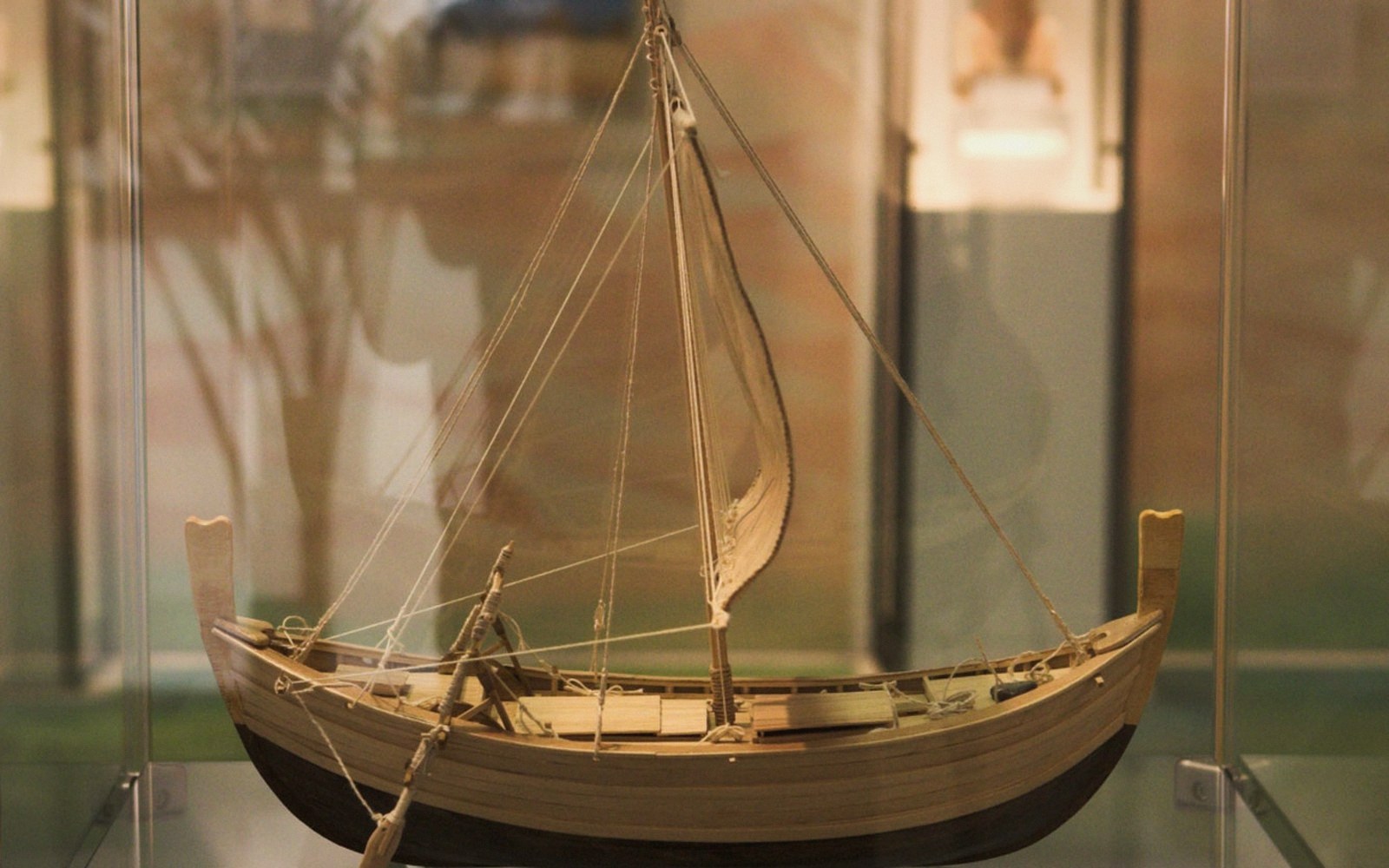 PLATE 1
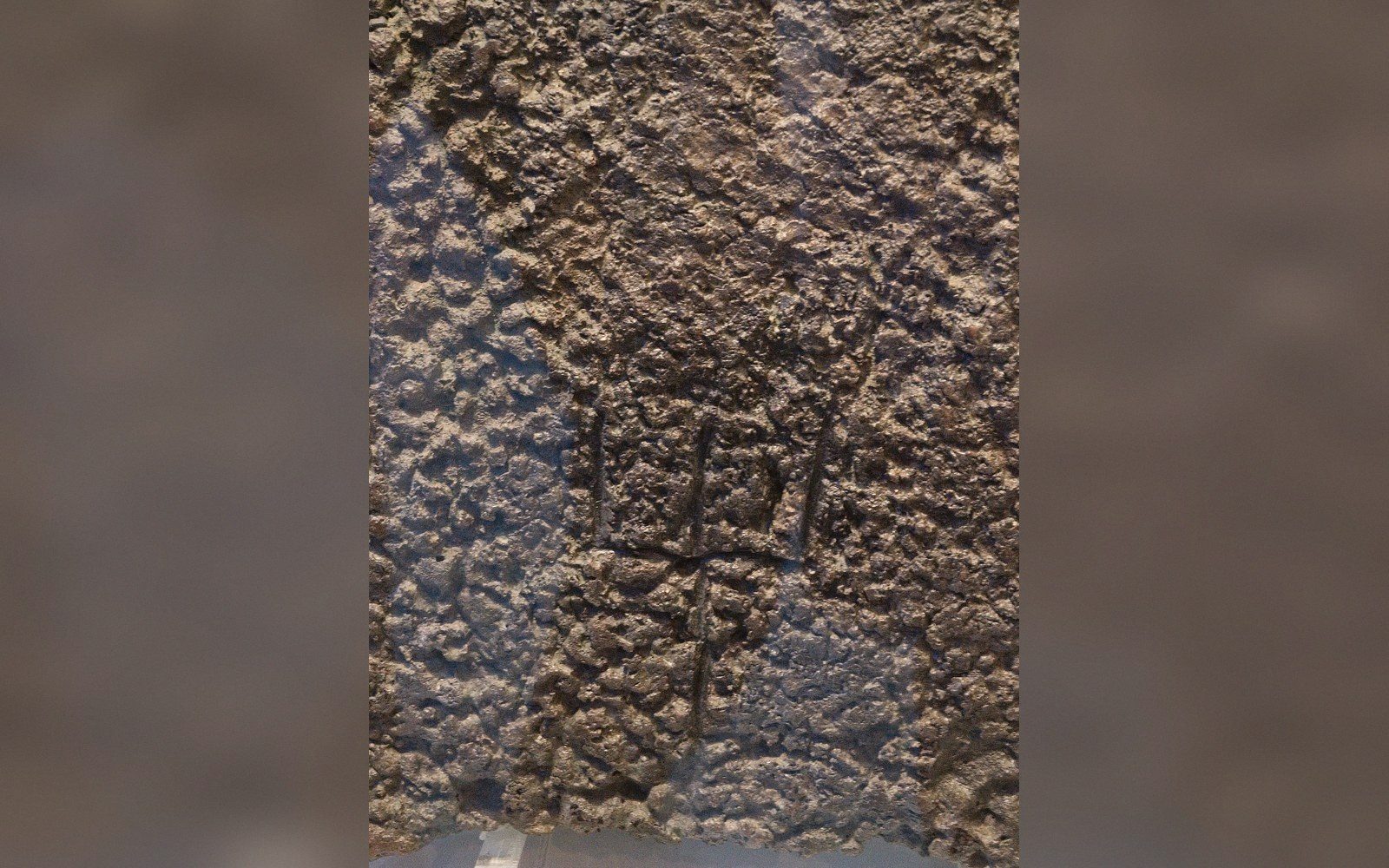 PLATE 2
The Ship and Its Find
In 1982, a sponge diver working near Kaş, on the southern coast of what is now Turkey, spotted copper ingots on the seabed at roughly 44 to 52 metres depth. The wreck lay on a steep slope below the promontory called Uluburun — "Grand Cape" in Turkish — and what followed was one of the most consequential underwater excavations ever mounted. George Bass and the Institute of Nautical Archaeology ran eleven seasons of excavation between 1984 and 1994, recovering the cargo in meticulous detail. The ship itself, probably a Canaanite or Syro-Palestinian vessel, had rotted almost entirely away; what remained was the load it had been carrying when it went down.
Dendrochronology and ceramic typology place the sinking around 1300 BC, give or take a few decades — squarely in the Late Bronze Age, when palace economies from Egypt to Mesopotamia ran on networked exchange of raw materials and prestige goods. The Uluburun wreck is the most complete physical evidence that network has ever yielded.
The Cargo, Item by Item
The copper came in the form of oxhide ingots — flat, rectangular slabs with four protruding tabs at the corners, a shape designed to be slung across a pack animal or stacked in a hold. There were around 354 of them, weighing approximately ten tonnes in total, originating from Cyprus. Alongside them lay tin ingots in far smaller quantity — roughly a tonne — almost certainly from sources in Afghanistan or Anatolia. Copper and tin in roughly a ten-to-one ratio is the formula for bronze; the Uluburun ship was carrying raw material for an industry.
The glass was extraordinary. More than 175 glass ingots — cobalt blue, turquoise and lavender — came up from the wreck, the largest assemblage of Late Bronze Age raw glass ever found. Core-formed glass objects of this period were slow and expensive to make; the ingots themselves were the trade commodity, shipped to workshops where craftsmen would work them into vessels and inlays. Ebony logs, almost certainly from sub-Saharan Africa via Egypt, were stacked in the hold alongside hippopotamus and elephant ivory — raw materials for luxury furniture and inlay work that appear in palace inventories across the Near East.
The resin cargo is equally informative: approximately a tonne of terebinth resin packed in Canaanite amphorae, probably destined for use as incense or preservative. The amphorae themselves, numbering more than 150, came from the Canaanite coast. There were also Egyptian items — a gold scarab bearing the cartouche of Nefertiti, faience vessels, an ebony writing board — and Mycenaean pottery, Cypriot ceramics, and a sword of Italian or Balkan type. No single origin accounts for everything aboard.
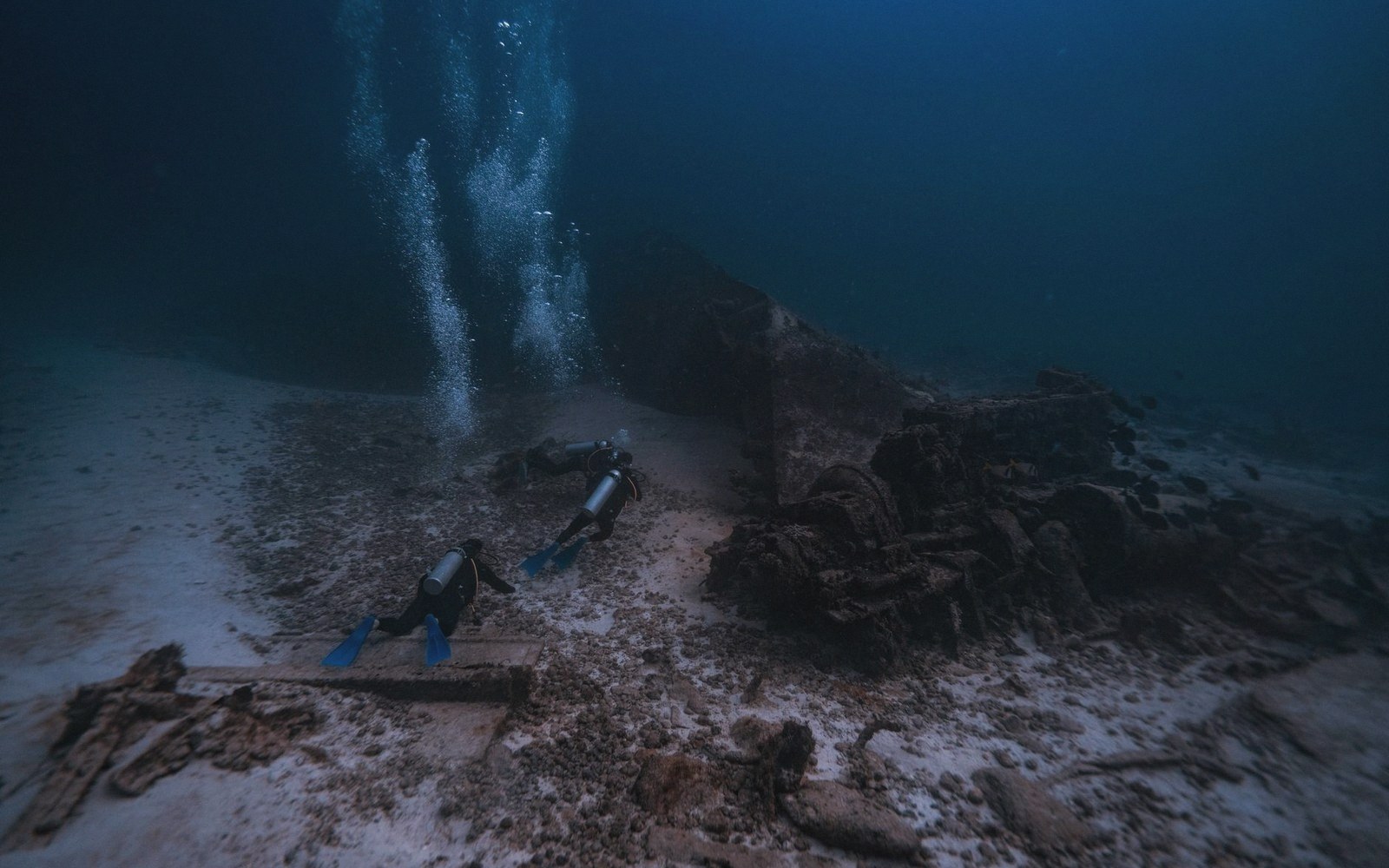 PLATE 3
Personal items recovered from the wreck include two sets of pan-balance weights, stone anchors, fishing gear, and what appear to be the possessions of merchants or passengers: gold and silver jewellery, a bronze statuette, cylinder seals. A pair of Mycenaean-style swords and a Canaanite oil lamp have been read as indicators of a mixed crew or multinational party of traders.
What It Proves
Before Uluburun, the Late Bronze Age exchange system was reconstructed largely from texts — the Amarna letters, palace ledgers, the Ugaritic administrative tablets. The wreck made it physical. Oxhide ingots appear in Egyptian tomb paintings and Ugaritic records; at Uluburun they appear as objects with mass, shape, chemical fingerprint and context. The glass, the ivory, the resin and the metals together demonstrate that a single cargo vessel in this period could function as a node connecting Cyprus, the Levantine coast, Egypt, the Aegean and the central Mediterranean — not through any one empire but through commercial relationships that palace systems depended on and could not fully control.
The recovered objects are held primarily by the Bodrum Museum of Underwater Archaeology, in the castle at Bodrum, Turkey, where much of the assemblage is on permanent display. The site itself lies at approximately 36°11′N, 29°38′E, on the seafloor off the Kaş peninsula — marked, catalogued and among the best-documented wrecks in the history of underwater archaeology.
Related entries