The oxhide copper ingot is a shape designed to be carried — four handles, a flat base, a weight the ledger-keepers could trust.
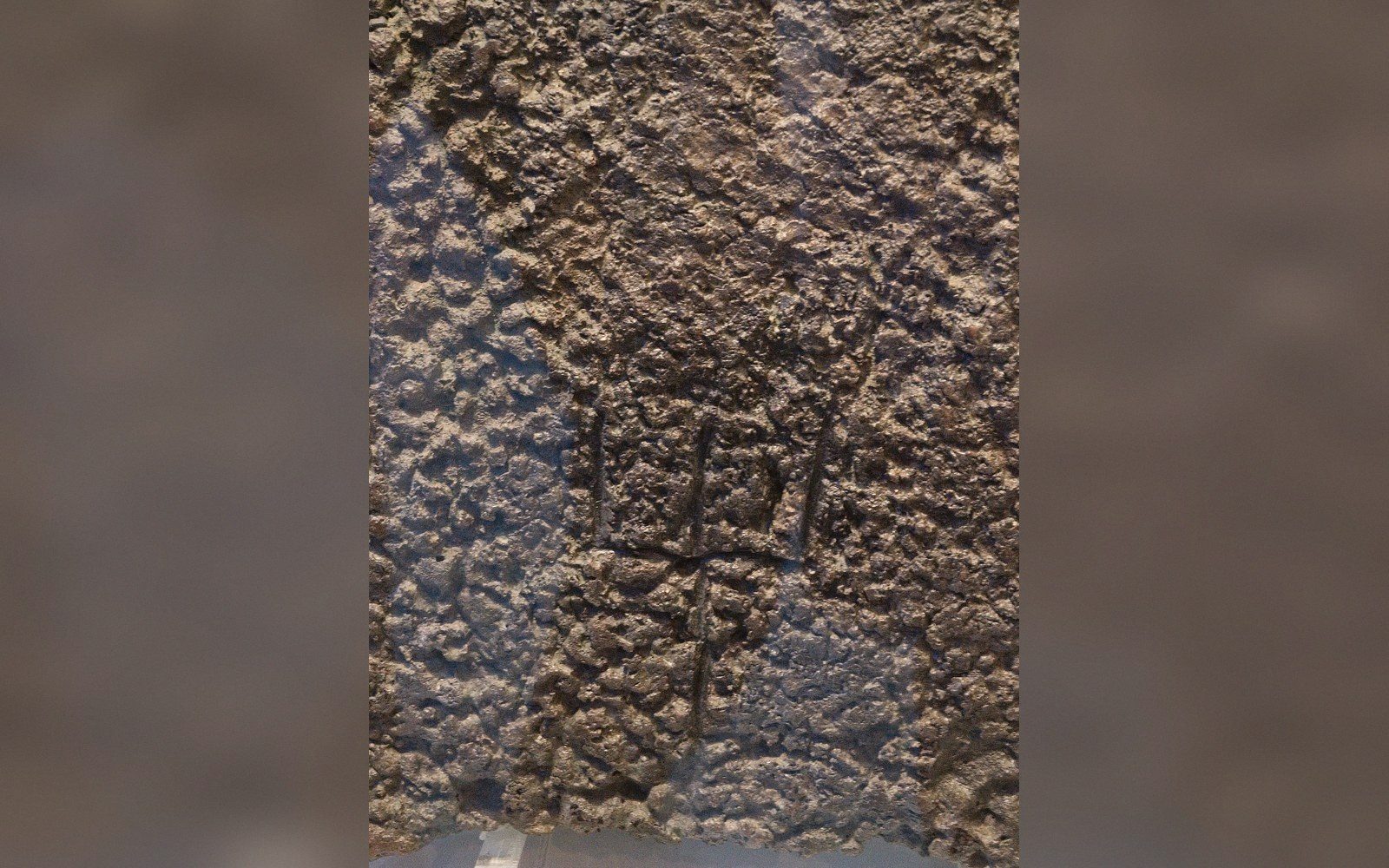 PLATE 1
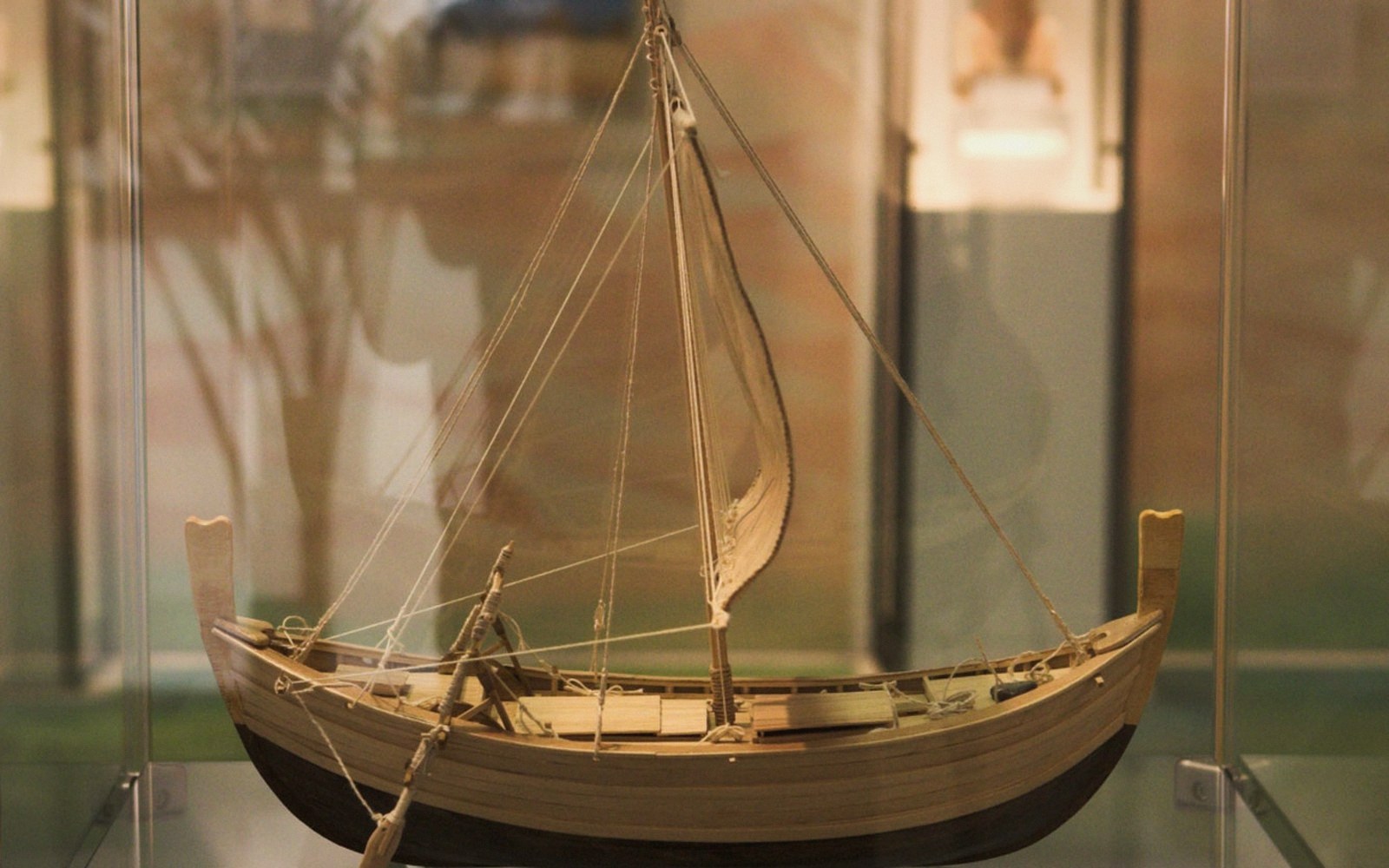 PLATE 2
A form that answered a problem
Copper moving in bulk needed to be countable, stackable and verifiable. The oxhide ingot — flat, rectangular, with a protruding tab at each corner — solved all three. The shape is not decorative; the handles let a porter grip and sling it, two ingots to a shoulder. The form appears across the eastern Mediterranean from roughly the sixteenth to the twelfth century BC, with examples recovered from Cyprus, Sardinia, the Aegean and the Levantine coast.
The Uluburun wreck, found off Kaş on the Turkish coast and excavated by the Institute of Nautical Archaeology from 1984 onward, yielded the largest single assemblage: 354 oxhide ingots and 121 smaller bun ingots, all of copper, along with about a tonne of tin, carried as ingots of similar form. The cargo's copper weighs roughly ten tonnes. Tin was carried at close to a one-to-ten ratio to copper — which is approximately the ratio required to cast bronze — and the pairing is not coincidental. The ship was not carrying raw metal; it was carrying pre-measured components of an alloy.
The ingots were not perfectly standardised by modern measure, but their weights cluster in ways that suggest a shared metrological understanding across trading partners. A single oxhide ingot falls typically in the range of twenty to twenty-nine kilograms, with the Ugaritic and Cypriot examples most frequently cited in the literature. Enough conform to the Egyptian deben weight and its multiples to suggest the standard moved with the trade. Administrators on both ends of a voyage needed to reconcile their tallies, and a recognisable shape reduced the argument.
The Late Bronze Age collapse that ended this network around 1200 BC left the ingot form behind. It does not reappear in the archaeological record in the same systematic way. What it leaves instead is a paper trail cut in clay: Ras Shamra, the site that produced the abecedary tablet, also yielded administrative texts from Ugarit's palace archive that record metals by weight, the bureaucratic shadow of a cargo that could be counted.
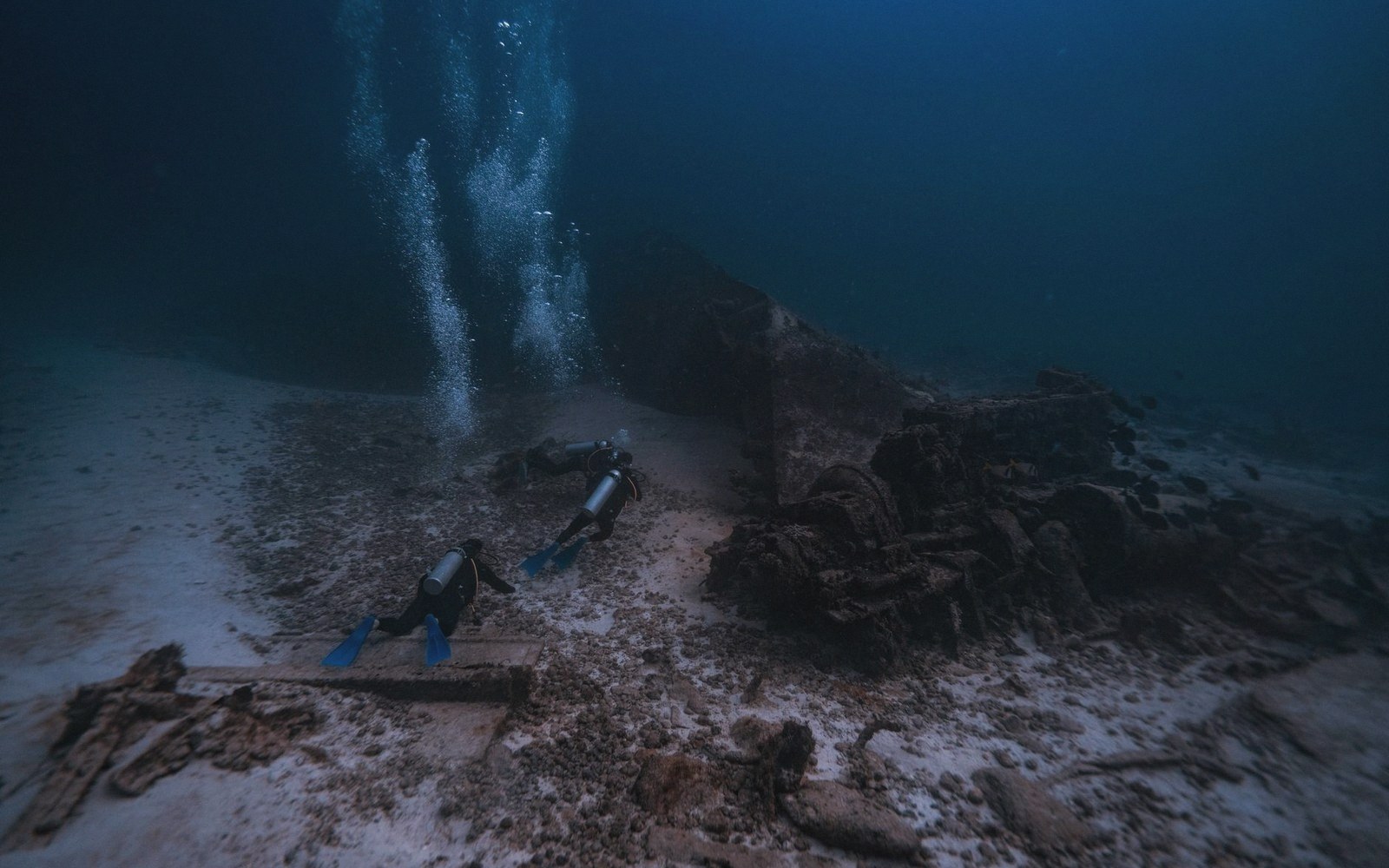 PLATE 3
Related entries