Crushed murex heaps outside Tyre and Sidon are the industrial waste of the dye trade — and a precise archive of where, when and at what scale purple was made.
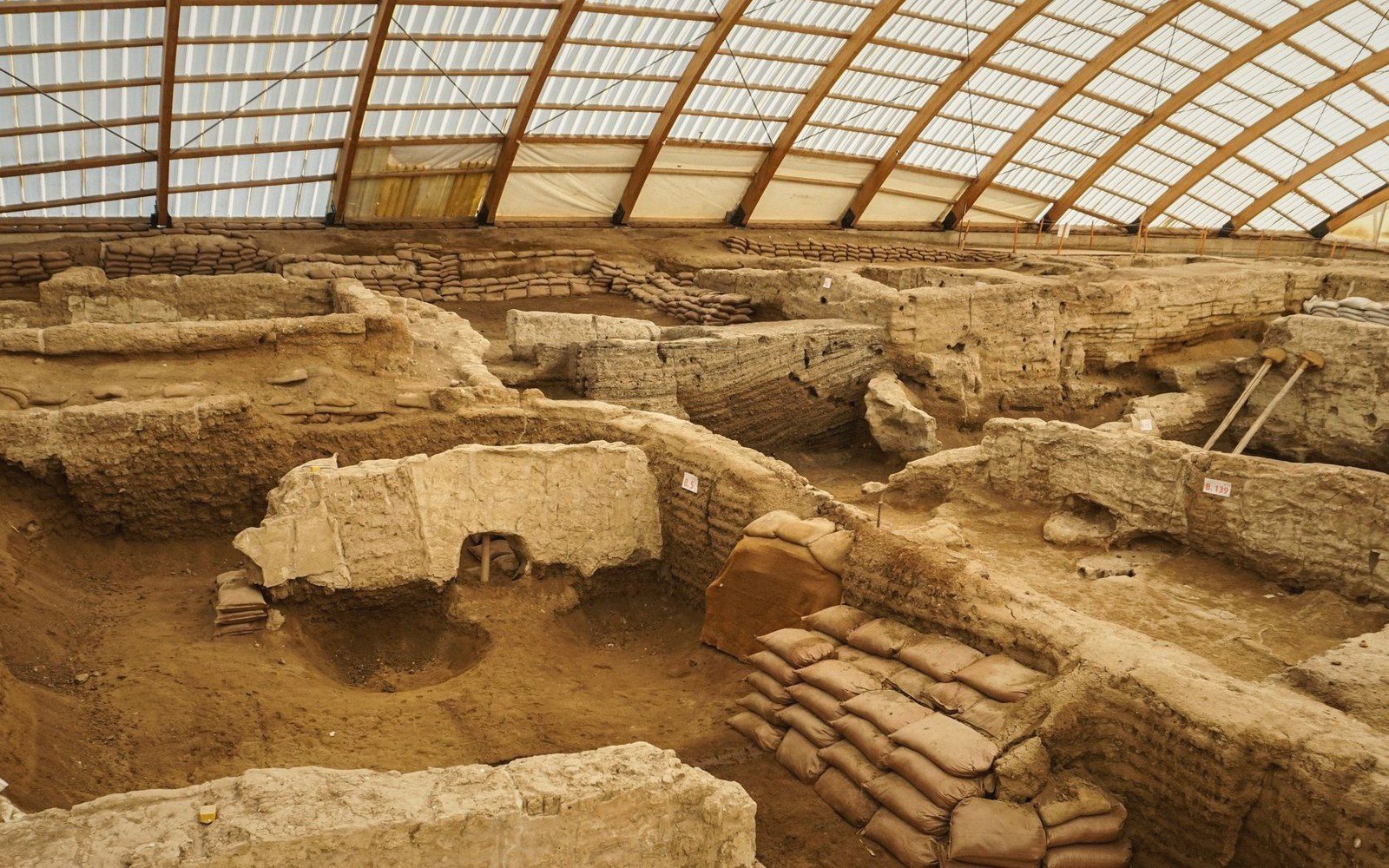 PLATE 1
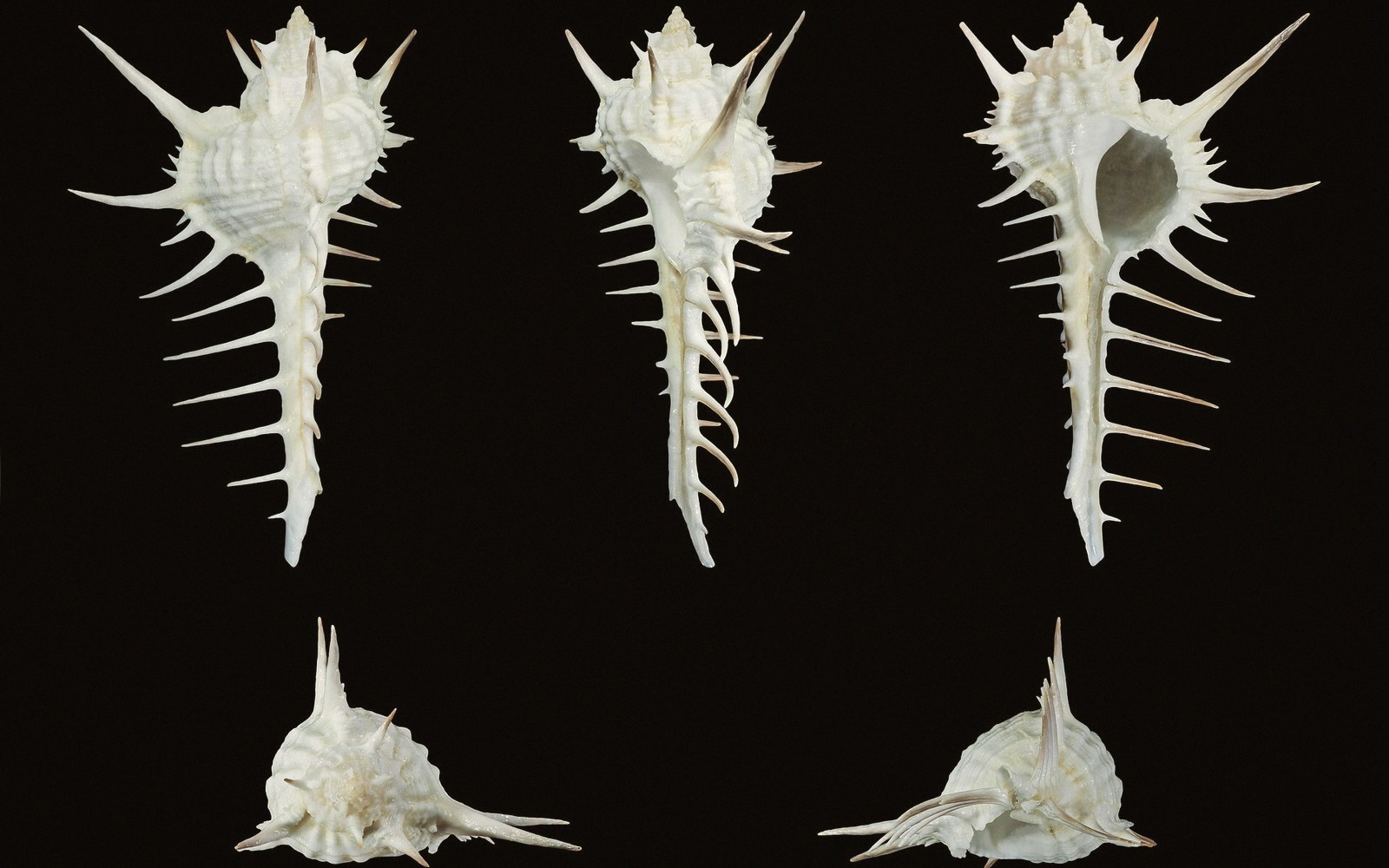 PLATE 2
Reading the Waste
The most direct evidence for Phoenician purple production is not a text or a dyed garment but a smell: ancient writers described the dye workshops as offensive enough to be kept outside city walls. The archaeology confirms it. Outside both Tyre and Sidon, excavators have found massive deposits of crushed and drilled Hexaplex trunculus and Bolinus brandaris shells — the two murex species whose hypobranchial glands yielded the pigment — mixed with the debris of industrial-scale processing.
At Sidon (coordinates: 33.5606° N, 35.3758° E), a shell mound on the southern edge of the ancient city reaches several metres in depth. The shells are uniformly broken at the spire, the quickest way to extract the gland without crushing it entirely. At Tyre (33.2705° N, 35.2038° E), comparable deposits have been recorded along the landward margins of what was once the mainland settlement. Pottery sherds embedded in both mounds allow ceramic dating; the main Sidonian deposit runs from the Middle Bronze Age into the Persian period, indicating continuous production across more than a millennium.
The scale of the mounds matters quantitatively. Experimental dyeing has shown that several thousand shells are required to colour a single garment. The thousands of tonnes of shell debris at these sites therefore translate directly into an output large enough to supply palace and temple demand across the eastern Mediterranean. This was not craft production but industrial production on the scale of a specialised manufacturing district.
Smaller midden deposits have been identified at other points along the Levantine coast and on Cyprus, but the Tyre and Sidon accumulations remain the type sites for the industry. They are perishable archives: modern construction has destroyed portions of both deposits, and what survives deserves the same attention as any stratified tell. The shells are the ledger; the crushing technique, the species ratio and the ceramic sequence are its entries.
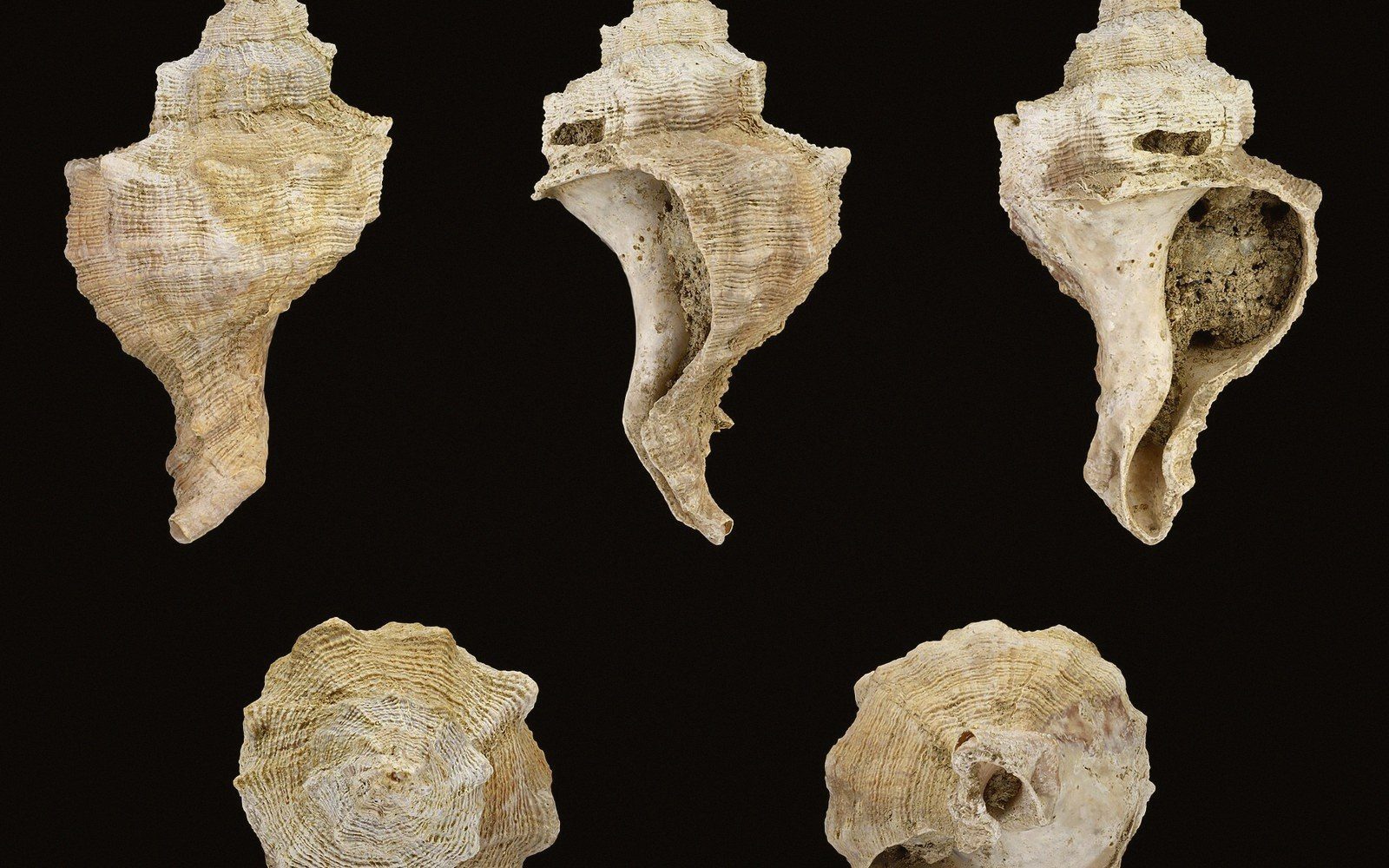 PLATE 3
Related entries