Purple was not decoration. It was jurisdiction — and the ancient world made sure everyone knew the difference.
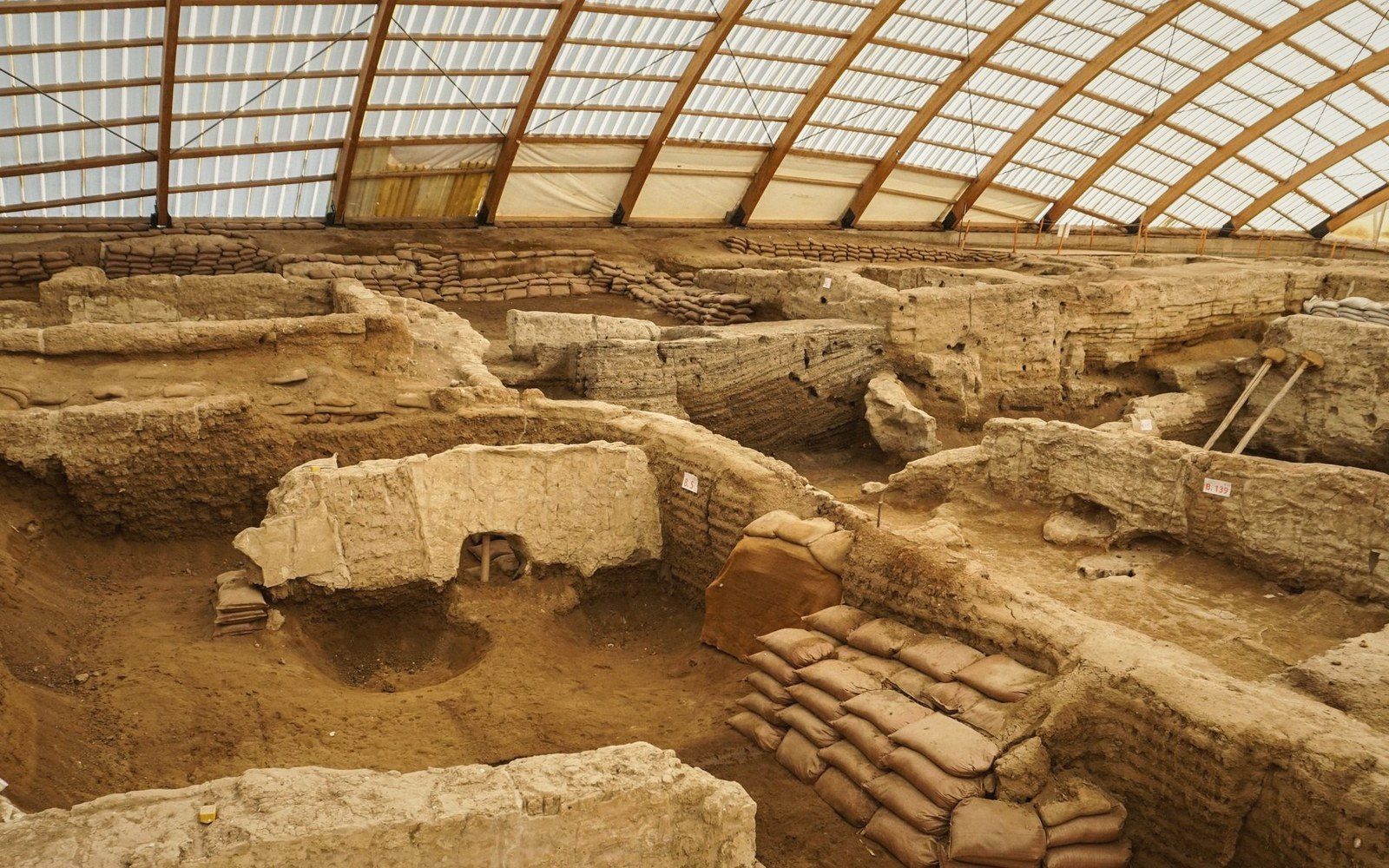 PLATE 1
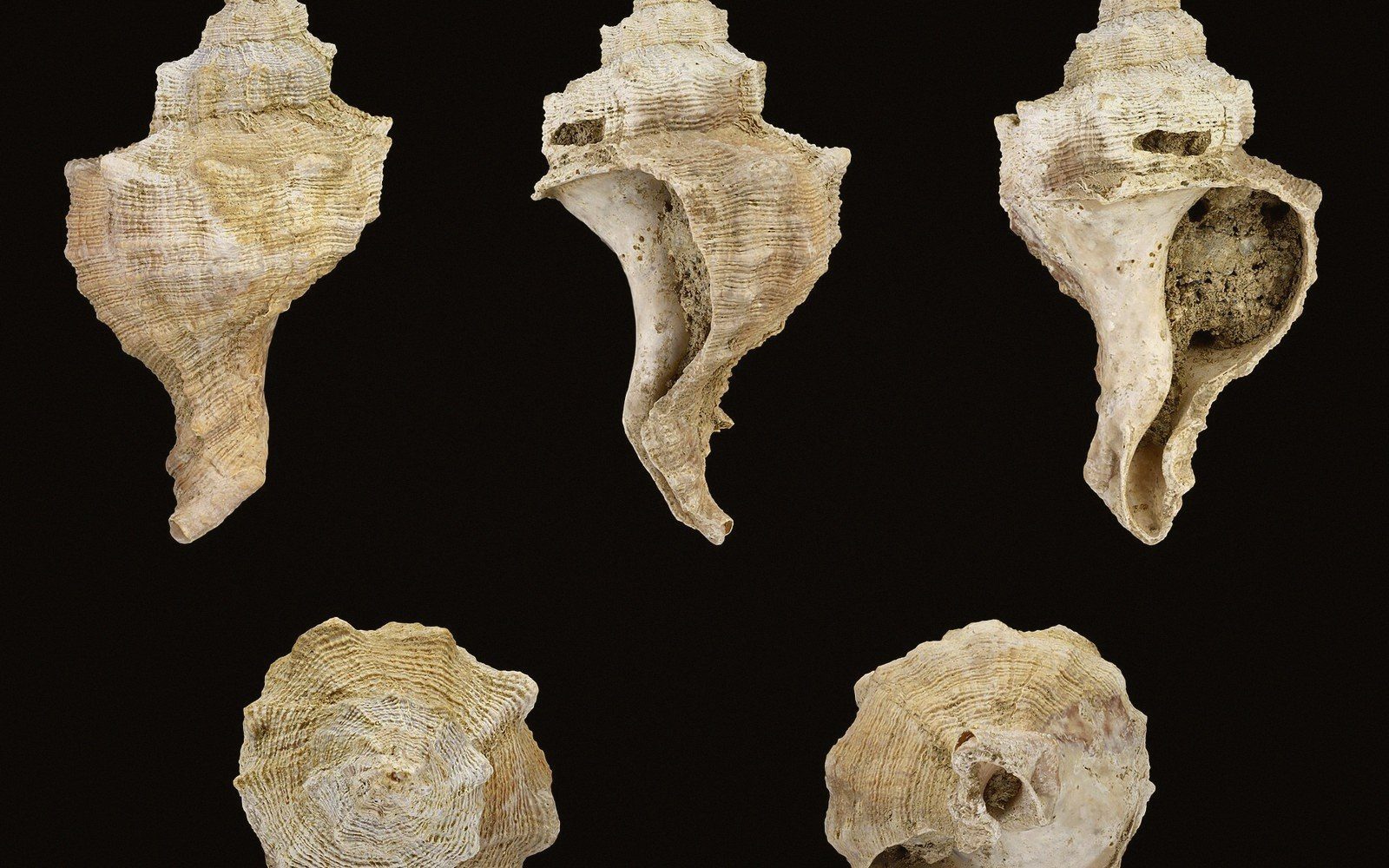 PLATE 2
The Law Behind the Colour
Murex purple did not become a symbol of power by accident. It became one because access to it was controlled, and control was enforced. The raw cost helped: dyeing a single pound of wool to full saturation required thousands of crushed murex shells — Hexaplex trunculus or Bolinus brandaris — and weeks of labour at the vats outside Tyre and Sidon. But cost alone does not make a symbol. Law does.
Sumptuary laws — statutes regulating who could wear, display or consume particular goods — appear across the ancient and classical world wherever purple is present. In Rome the evidence is best documented. Republican sumptuary legislation progressively narrowed the right to wear the toga praetexta, a white toga with a purple border, to magistrates and priests. The toga picta, dyed entirely in Tyrian purple, was reserved for triumphing generals and, later, emperors. By the late Roman imperial period, full purple garment use by a private citizen was treated as a form of usurpation — a challenge to the throne expressed in cloth.
The eastern Mediterranean record is less legislative and more inferential, but the inference is solid. At Ugarit, where the palace administered the dye trade through the fourteenth and thirteenth centuries BC, textiles dyed with murex appear in palace inventories alongside weapons and luxury metals — objects that moved through redistribution networks controlled by the crown, not open markets. The colour's political weight is consistent across texts recovered by Claude Schaeffer's excavations at Ras Shamra: purple garments are gifts between kings, never casual commerce.
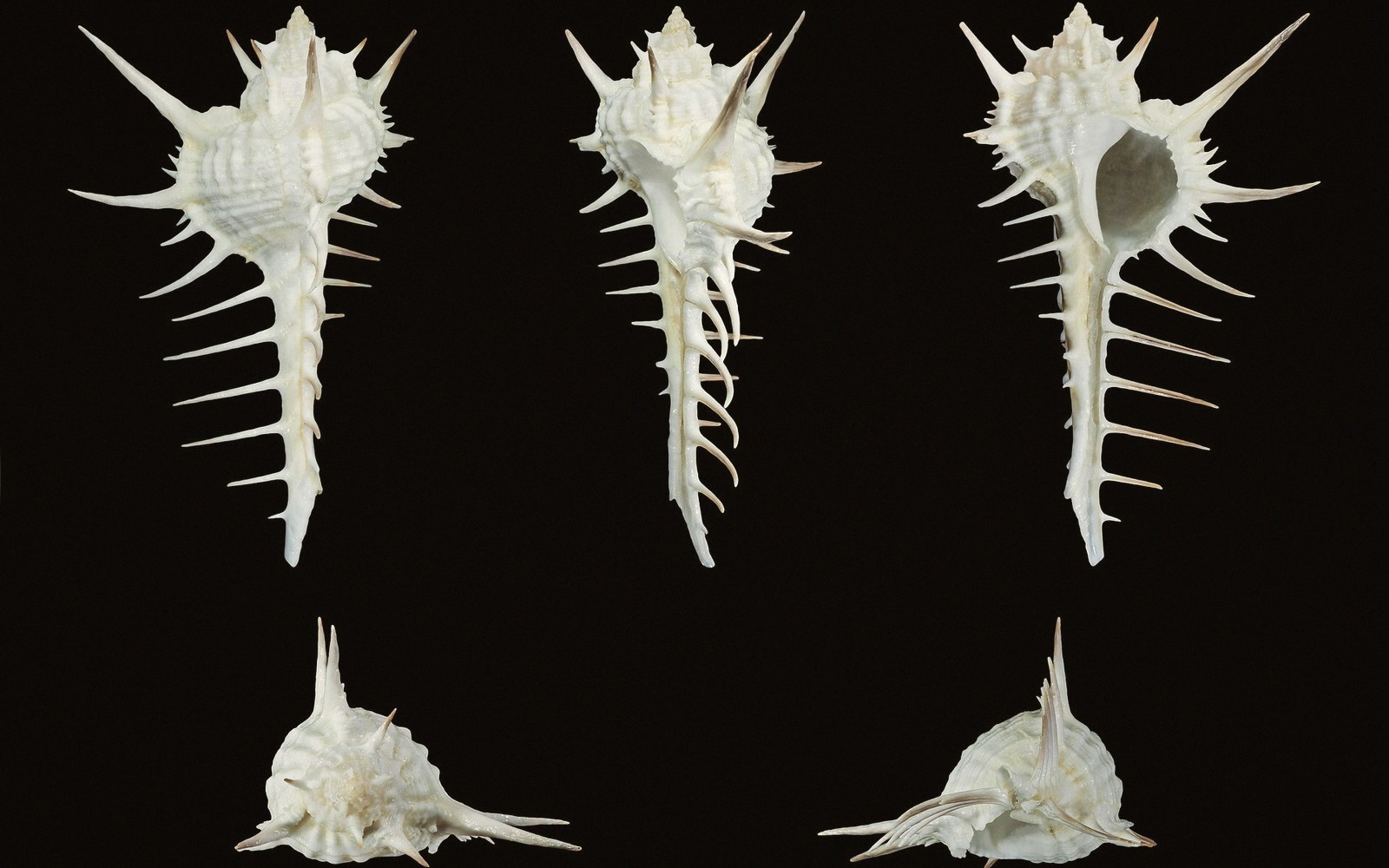 PLATE 3
The Phoenician cities that produced the dye understood the hierarchy they were servicing. Tyrian purple supplied Egyptian pharaohs and Mesopotamian courts. It supplied the Achaemenid royal wardrobe. It supplied Rome. Each customer was at the apex of something, and the product itself reinforced that apex — not because purple was beautiful, which it was, but because wearing it without permission was a social and eventually a criminal act.
This is why the shell mounds outside Tyre and Sidon are not merely industrial waste. They are the physical footprint of a regulated economy. The scale of production those mounds imply — millions of crushed shells accumulated over centuries — existed to satisfy demand that was, by design, confined to a very small number of people. The restriction made the colour what it was. Without sumptuary control, Tyrian purple would have been expensive. With it, the colour became a category of person.
Related entries