Temple roofs, palace beams and ships — the uses that justified moving it that far.
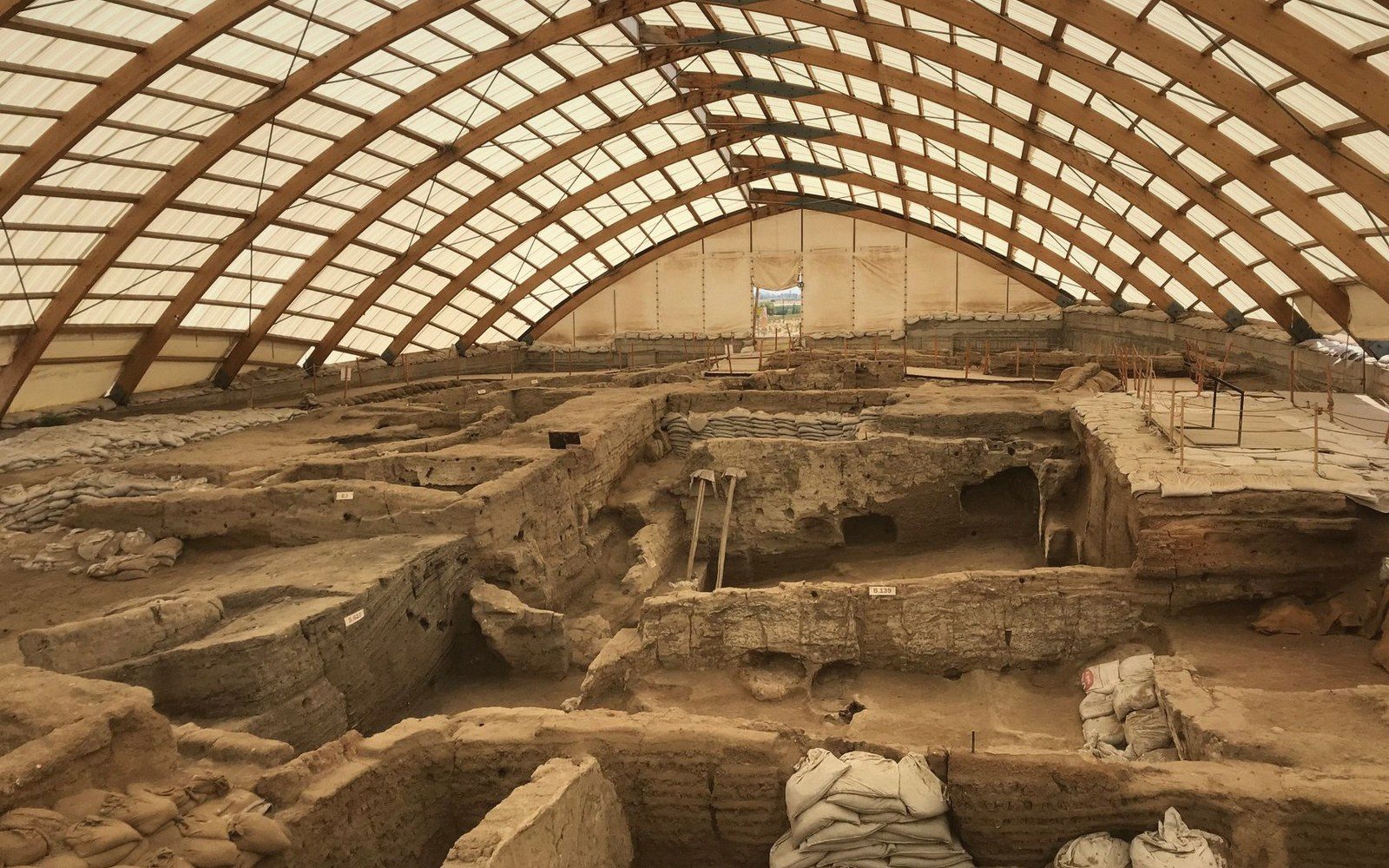 PLATE 1
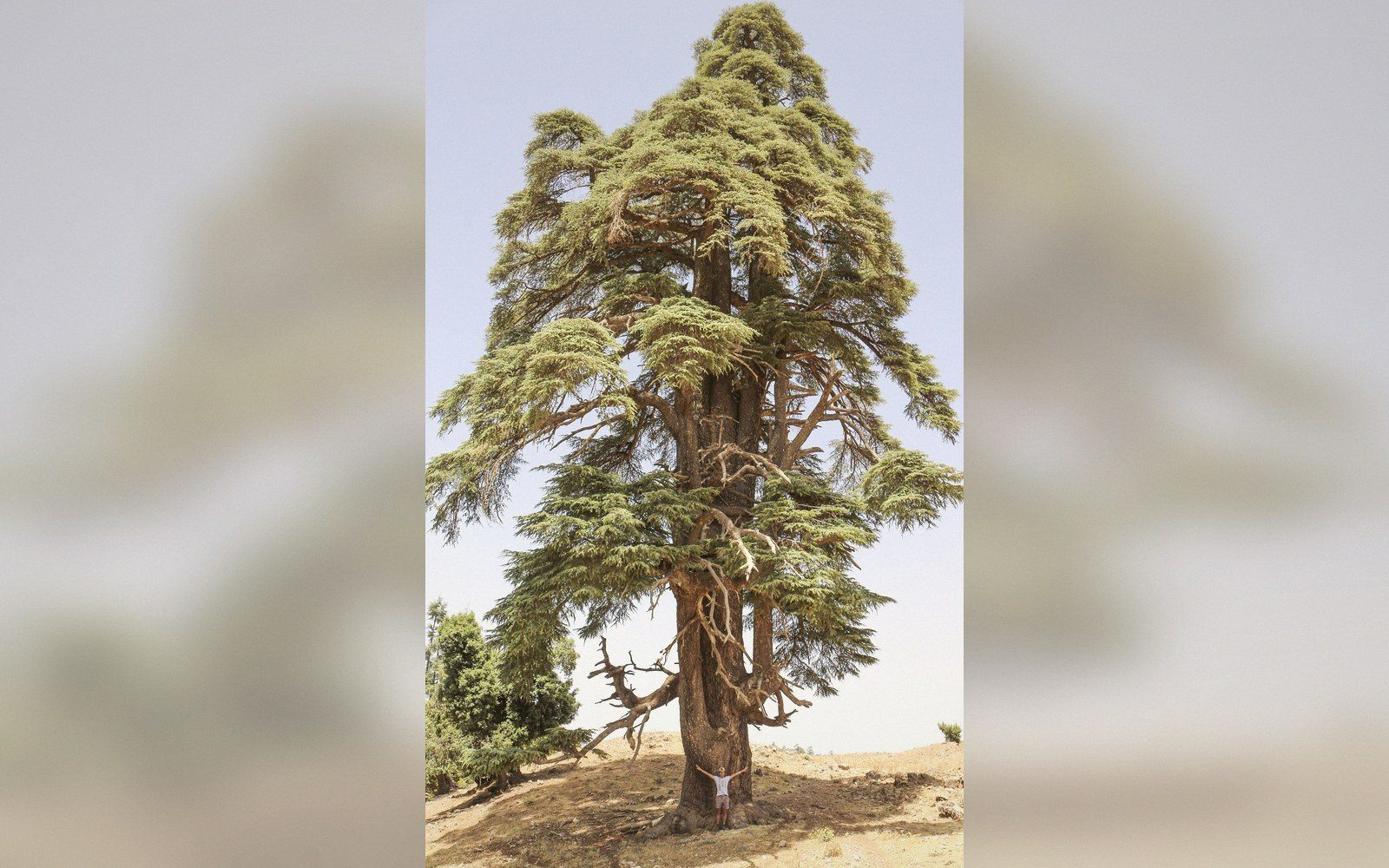 PLATE 2
Cedar's three destinations, and why none of them was optional
The Egyptian word for cedar resin — sntr, used as incense — is older than most of the structures the timber built. But it is the timber itself, not the aromatic byproduct, that explains the trade's scale. Cedrus libani grew tall enough and straight enough to roof spans that no alternative wood could cover, and the ancient world's most consequential buildings needed exactly that.
Temples were the first claim. Roof beams for sacred enclosures across Egypt and Mesopotamia had to be long, rot-resistant and structurally predictable across decades of load. Local palms split under sustained compression; imported cedar did not. The temple at Karnak received cedar shipments recorded on the walls of the building they helped construct. Mesopotamian temple accounts from the early second millennium list cedar alongside copper and lapis as materials requiring royal procurement — not because cedar was decorative, but because it was load-bearing and irreplaceable.
Palaces made the same demands at larger scale. The biblical description of Solomon's "House of the Forest of Lebanon" — whatever its precise historicity — reflects a real architectural logic: a hypostyle hall requiring dozens of uniform beams of a length only Lebanese cedar reliably produced. Egyptian palace construction under Thutmose III and Ramesses II drew on cedar logged under royal contract in the ranges above Byblos. The wood arrived as dressed planks or as whole trunks, depending on the decade and the agreement with the supplying port.
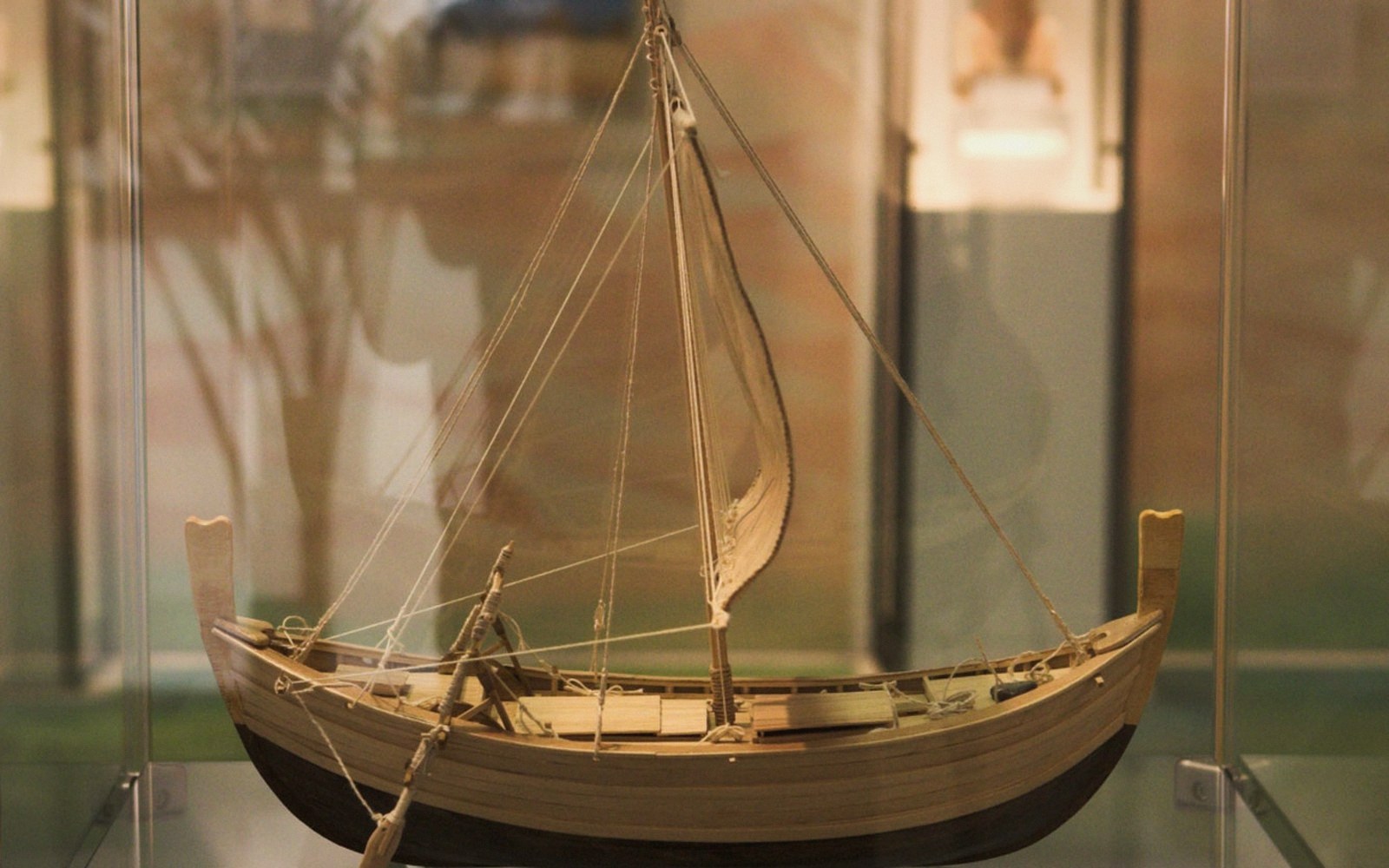 PLATE 3
Ships were the use that pushed volume highest. A cedar-planked vessel was lighter, more resistant to the shipworm Teredo navalis, and structurally tighter-grained than anything built from Aegean pine or Anatolian oak. Egyptian funerary boats — including the Khufu ship, disassembled in its pit at Giza — used cedar throughout. Operational warships and merchant hulls required the same material in continuous supply. The Uluburun wreck, though a merchant vessel whose exact origin is debated, carried cedar timber as part of its mixed cargo, which confirms that dressed cedar circulated as a traded commodity rather than only as a material shipped to a single client.
Nebuchadnezzar II, cutting timber for Babylonian building works in the early sixth century BC, had the record of his expedition carved into the cliff at Wadi Brissa — a commemoration that measures how much prestige the procurement carried. The inscription names the cedar explicitly. It was not a routine supply run noted in a ledger; it was an achievement worth stone.
The three uses — sacred roof, royal hall, seagoing hull — were not interchangeable, but they converged on the same requirement: timber that would not fail.
Related entries