Three institutions hold the material record of the ancient Levant. Where a find landed — and when — shapes what scholarship can do with it today.
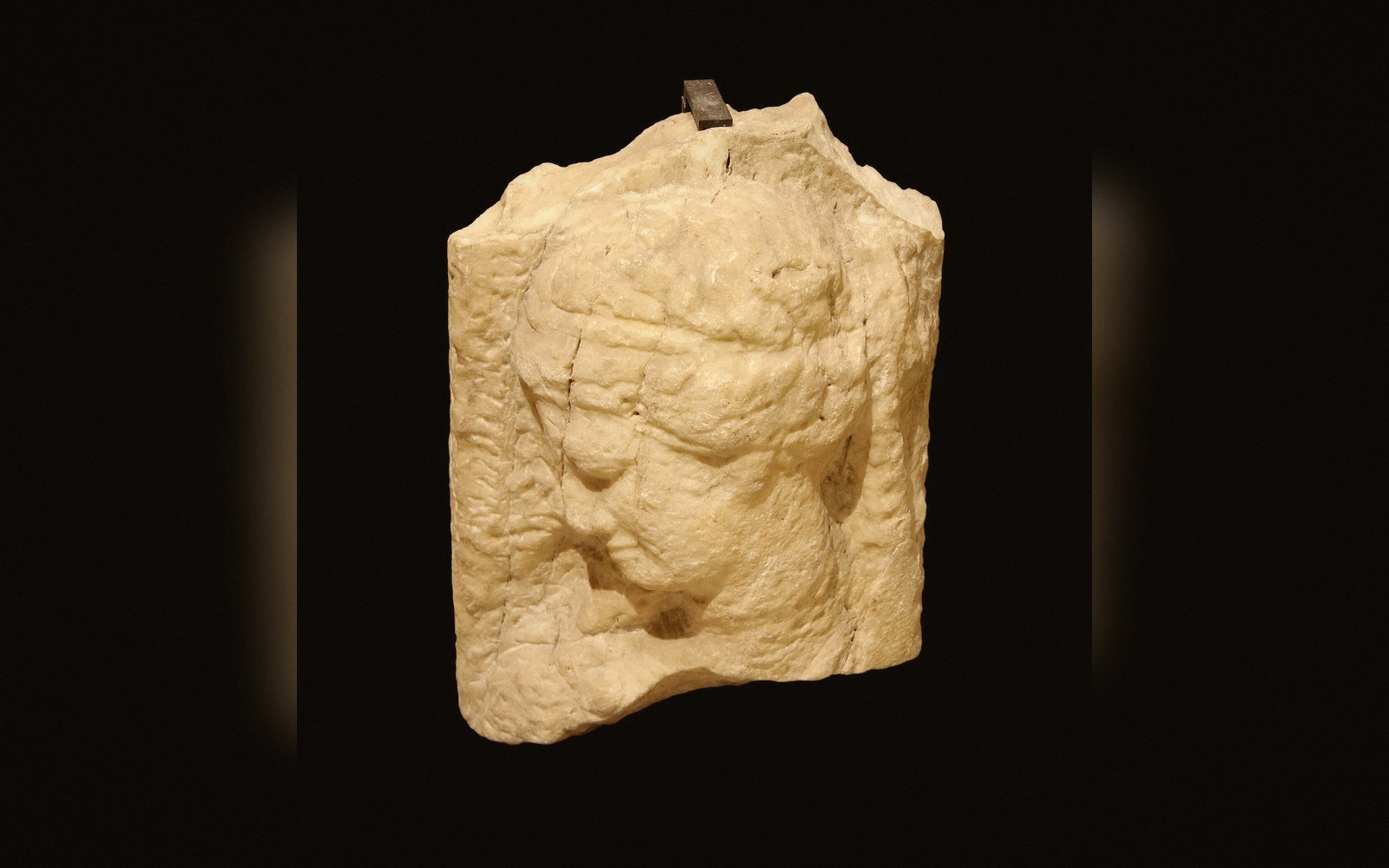 PLATE 1
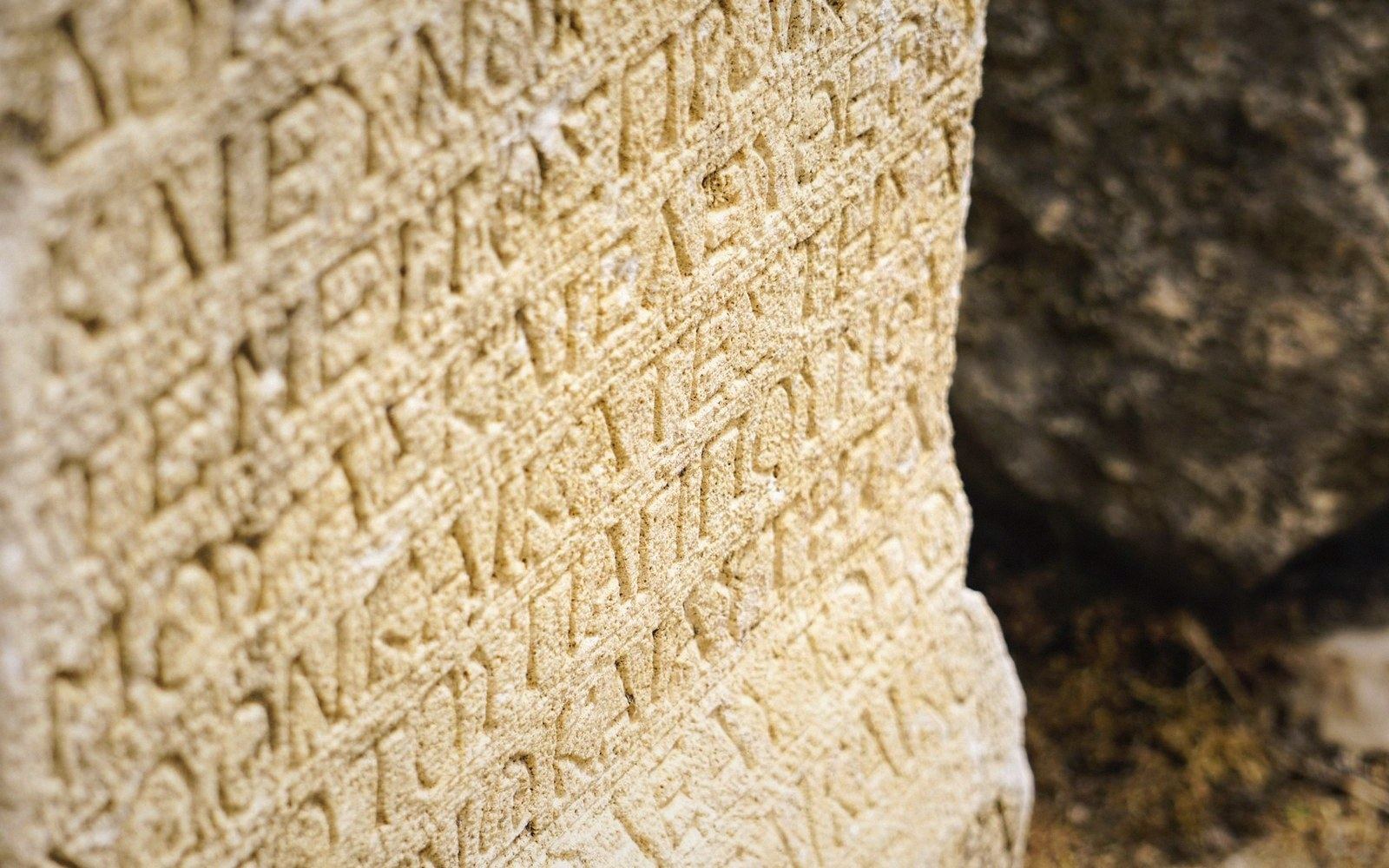 PLATE 2
The division of finds
When Claude Schaeffer began excavating Ras Shamra in 1929, the governing arrangement was a partage — a formal division of excavated material between the host country and the sponsoring institution. In practice, tablets, ivories and bronzes moved west to Paris, while Syrian authorities received a share that grew more substantial as the mandate period gave way to independence. The Musée du Louvre holds the largest single collection of Ugaritic objects outside Syria as a direct result: cylinder seals, gold bowls, the axe-head dedicated to Baal that has become one of its most recognisable Bronze Age pieces. The National Museum of Damascus holds complementary material — sculpture, stelae, and a body of administrative and literary tablets — so that the full archive of Ras Shamra is, in a real sense, split across two capital cities and two languages of institutional record.
Byblos tells a similar story at a longer timescale. Ernest Renan's Mission de Phénicie in the 1860s removed inscribed sarcophagi and architectural fragments under conditions that a later generation of archaeologists would classify as inadequately documented. Material from those earliest campaigns reached the Louvre without the stratigraphic context that modern analysis requires; what the stone is, and when it was deposited, can sometimes be reconstructed from the objects themselves, but the site relationship is gone. Later, properly recorded excavations at Byblos — conducted by Pierre Montet and then Maurice Dunand through much of the twentieth century — fed their finds primarily to the National Museum of Beirut, which today holds the Ahiram sarcophagus, the sequence of Byblian royal inscriptions in Phoenician script, and a substantial body of Bronze and Iron Age metalwork.
Provenance and what it costs
The National Museum of Beirut was badly damaged and partially looted during the 1975–1990 civil conflict, a period in which objects moved onto the international art market in ways that severed whatever documentation they had carried. Some pieces from this period sit in private collections and smaller European museums with ownership histories that begin, effectively, in the late 1970s. For researchers, the practical consequence is a gap in the chain of custody: when an object cannot be tied to a recorded excavation layer, the stratigraphic reading — the relative dating and association with other objects — is gone, and only the object's own physical properties can be queried. Isotope analysis, thermoluminescence dating and X-ray fluorescence can recover some of that lost information, but they answer different questions than a well-kept field record does.
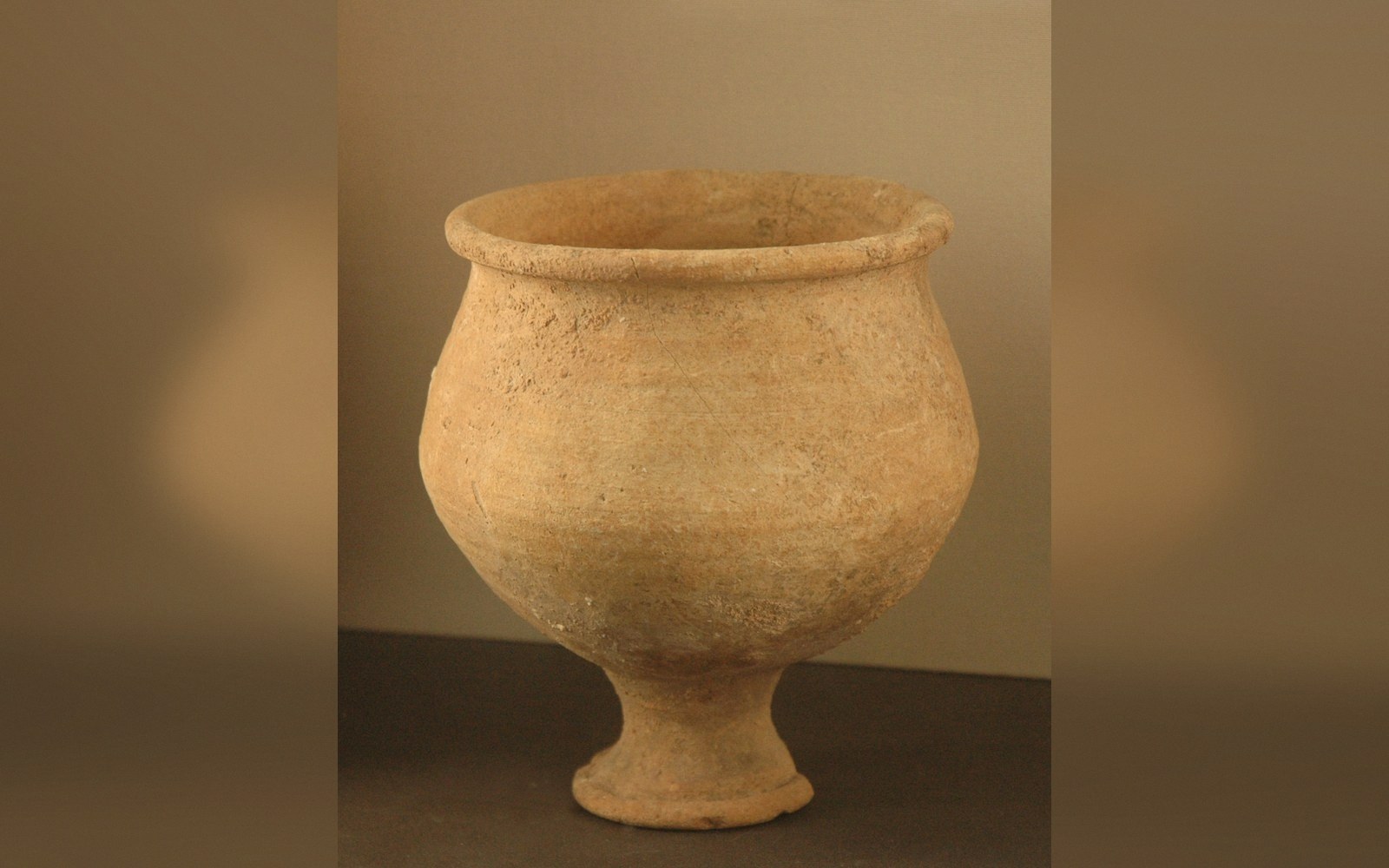 PLATE 3
The Institute of Nautical Archaeology's excavation of the Uluburun wreck off the Turkish coast near Kaş, which ran from 1984 into the 1990s under George Bass and Cemal Pulak, demonstrated what full provenance looks like in practice: every object was recorded in three-dimensional position on the seabed, giving the cargo a spatial map that land excavations rarely achieve. The finds are held at the Bodrum Museum of Underwater Archaeology. The contrast with objects lifted by antiquities dealers — from the same general Bronze Age horizon, often indistinguishable by object type — is stark.
The Louvre, the National Museum of Beirut and the National Museum of Damascus are not simply repositories. They are the places where the material decisions were made: which object was significant enough to conserve, which got a permanent gallery position, which went into a study collection, which was lost in transit or conflict. Scholarship works within those decisions. A cuneiformist studying Ugaritic administrative texts must travel between Paris and Damascus, reconcile two catalogue systems and work around objects that have not been fully published in either. The record is not lost — it is distributed, unevenly, across institutions whose own histories are as complicated as the sites they hold.
Related entries